
Introduction to inventory software
The introduction to inventory software will help understand the importance of these tools in inventory management in Morocco, allowing businesses to maximize efficiency and minimize costs. Inventory software has become essential for many businesses, of various sizes and industries.
Definition of inventory software
Les inventory software are computer programs specifically designed for tracking, managing, and controlling a company's inventory. They offer a wide range of features capable of facilitating and automating inventory management processes. These software may include:
- Product management, including descriptions, pricing and quantities.
- Real-time tracking of stock levels.
- Automatic replenishment alert.
- Creation of analytical and statistical reports.
Importance of inventory software
By adopting a inventory software, a business can expect several benefits:
- Increased visibility : Real-time access to stock levels allows for better decision-making.
- Reduction of errors : Automation of manual entry processes, thus reducing human errors.
- Cost optimization : Reduction of storage costs by allowing more precise management of quantities of products in stock.
- Time savings : Automation of inventory management tasks, allowing staff to focus on other critical aspects of the business.
Key Features
The functionalities of inventory software vary, but some are fundamental for effective management:
- Input and output management : Allows you to track incoming and outgoing stock movements.
- Barcodes and RFID : Use of technology for rapid and accurate data capture.
- Integration with other systems : Compatibility with accounting systems, ERP and other business management platforms.
- Demand Forecast : Predictive analyzes to anticipate future needs and avoid stock outs.
- Reports and analytics : Generating detailed reports for a better understanding of consumption and inventory patterns.
General conclusion
The implementation of inventory software in Morocco would transform inventory management for many businesses, optimizing their operations and promoting customer satisfaction. With economic growth being a major objective in the region, these tools become strategic allies to achieve increased operational efficiency.
The importance of inventory management in Morocco
Inventory management is an essential issue for Moroccan companies wishing to optimize their operations and increase their profitability. Every business, whether in the commercial, industrial or service sector, faces specific challenges related to managing its inventory. Good inventory management allows:
- Cost reduction : By minimizing excess inventory and stock-outs, businesses can reduce inventory costs and financial losses.
- Improved customer service : A well-managed inventory ensures that products are available when customers need them, which improves customer satisfaction and loyalty.
- Resource Optimization : Effective inventory management helps allocate resources optimally, avoiding waste and inefficiencies.
In Morocco, various sectors, including agri-food, textiles, and automobiles, rely heavily on inventory management to remain competitive. Several factors make inventory management essential in Morocco:
- Geographical and logistical proximity : Morocco's strategic position, close to Europe and Africa, requires efficient inventory management systems to quickly respond to the demands of local and international markets.
- Economic growth : The rapid development of infrastructure and industrial zones requires efficient inventory solutions to support this growth.
- Competitive market : Optimized inventory management allows companies to stand out in an increasingly competitive market by offering them better flexibility and responsiveness.
Additionally, poor inventory management can lead to:
“Significant financial losses, dissatisfied customers and a deterioration of the brand image.”
This highlights the importance for Moroccan companies to invest in modern inventory management software capable of meeting their specific needs. By integrating advanced technologies like artificial intelligence (AI) and data analytics, these software can offer accurate forecasts, better traceability and real-time visibility into inventory status.
Finally, employee training and adoption of best practices in inventory management are crucial to maximizing the benefits of these technological tools, thus ensuring a secure and efficient supply chain.
Common Inventory Management Challenges
Inventory management can present several major challenges for businesses in Morocco. Among these challenges, we find:
- Managing stock levels : Maintaining a balance between available stock and customer demand can be complex. Overstocking leads to high storage costs, while understocking can lead to out-of-stocks and lost sales.
- Real-time tracking : A major challenge is to monitor stock movements in real time. Without an accurate system, it is difficult to know what goods are available, in transit or sold.
- Demand Forecast : Accurately predicting demand is another challenge. Errors in forecasting can lead to either excess inventory or shortages, thereby affecting the efficiency and profitability of the business.
- Supplier management : Managing relationships with suppliers is crucial, particularly to ensure product availability and meet delivery deadlines. Delays or errors from suppliers can make inventory management difficult.
- Cost control : Controlling inventory-related costs, such as purchasing, storage and repackaging costs, is essential to maintaining optimal profit margins.
- Management of expirations : For businesses that deal with perishable products, it is vital to track expiration dates to avoid losses due to unsaleable products.
- Inventory security : Protection against theft, loss and damage is another significant challenge. This requires robust security measures and constant monitoring.
Inventory software can help overcome these challenges by offering automated and integrated solutions for inventory management, thereby improving business efficiency and decision-making.
Benefits of Inventory Software
Les inventory software offer a multitude of benefits for businesses in Morocco seeking to optimize their inventory management. Here are some of the main benefits:
Centralization of information
Les inventory software allow you to centralize all information relating to stocks in one place. This includes:
- Current quantities of each product.
- Histories of stock movements (entries and exits).
- Auto-replenishment levels.
- Product expiration dates.
Real-time management
Real-time updates help businesses get an accurate view of their inventory at any time. Features include:
- Monitoring live stock levels.
- Alerts for needed restocks.
- Minimizing stock shortages.
Reduced costs and losses
By identifying optimal inventory levels and streamlining processes, inventory software enables:
- To reduce costs linked to overstocking.
- To avoid losses due to expired or obsolete products.
- Improve the efficiency of the supply chain.
Improved customer satisfaction
An efficient stock management system ensures better product availability, which results in:
- A reduction in delivery times.
- An increase in order reliability.
- Increased long-term customer satisfaction.
Task automation
Automation simplifies complex manual tasks, such as:
- Order tracking.
- Report generation.
- Returns management.
Adaptability and scalability
Les inventory software Modern systems are often adaptable and scalable, allowing businesses to:
- Adapt quickly to market changes.
- Facilitate integration with other systems (ERP, CRM).
- Evolve as the business grows.
In short, inventory software is an essential tool for maximizing efficiency and profitability, while minimizing the risks associated with inventory management. In the Moroccan context, where markets can be dynamic and needs varied, these tools offer a robust solution to support the growth and success of businesses.
Key Features of Inventory Software
Les inventory software modern systems offer a range of essential functionalities to optimize inventory management in Morocco. Here are some key features:
Real-time tracking
- Instant update of stock levels : Stock levels are updated in real time, allowing an accurate and instant view of inventory.
- Restock Alerts : Automatic notifications when stock reaches a critical threshold.
Order and supplier management
- Order automation : Automatic generation of purchase orders based on predefined stock levels.
- Supplier database : Centralized management of supplier information facilitating the purchasing process.
Analytics and reporting
- Custom Reports : Creation of detailed reports on sales performance, inventory levels and demand forecasts.
- Dashboards : Data visualization via interactive dashboards for informed decision-making.
Tracking inventory locations
- Multi-warehouse location management : Tracking inventory levels across multiple warehouses or storage locations.
- Optimization of storage space : Optimal distribution of products to maximize available space.
Integration with other systems
- ERP compatibility : The inventory software can be integrated with ERP systems for unified management of enterprise resources.
- APIs : Easy integration with other sales and customer management systems.
Product and variant management
- Product categorization : Classification of products by categories, subcategories and variants for simplified management.
- SKU Tracking : Detailed tracking of stock keeping units (SKUs) for each product variant.
Security and access
- Access control : Management of access rights to ensure data confidentiality and security.
- Automatic backups : Automatic data updates and backups to avoid loss of information.
Mobility
- Mobile apps : Functionality accessibility via mobile applications for inventory management on the go.
- Barcode scanning : Using mobile barcode scanners for fast and accurate capture of stock data.
These features allow Moroccan businesses to better manage their inventory processes while reducing costs and improving operational efficiency. Using suitable inventory software can therefore provide significant added value.
Popular Inventory Solutions in Morocco
Optimizing inventory management is crucial for Moroccan companies. Different inventory software meets this need by offering varied functionalities. Here are some popular inventory solutions in Morocco:
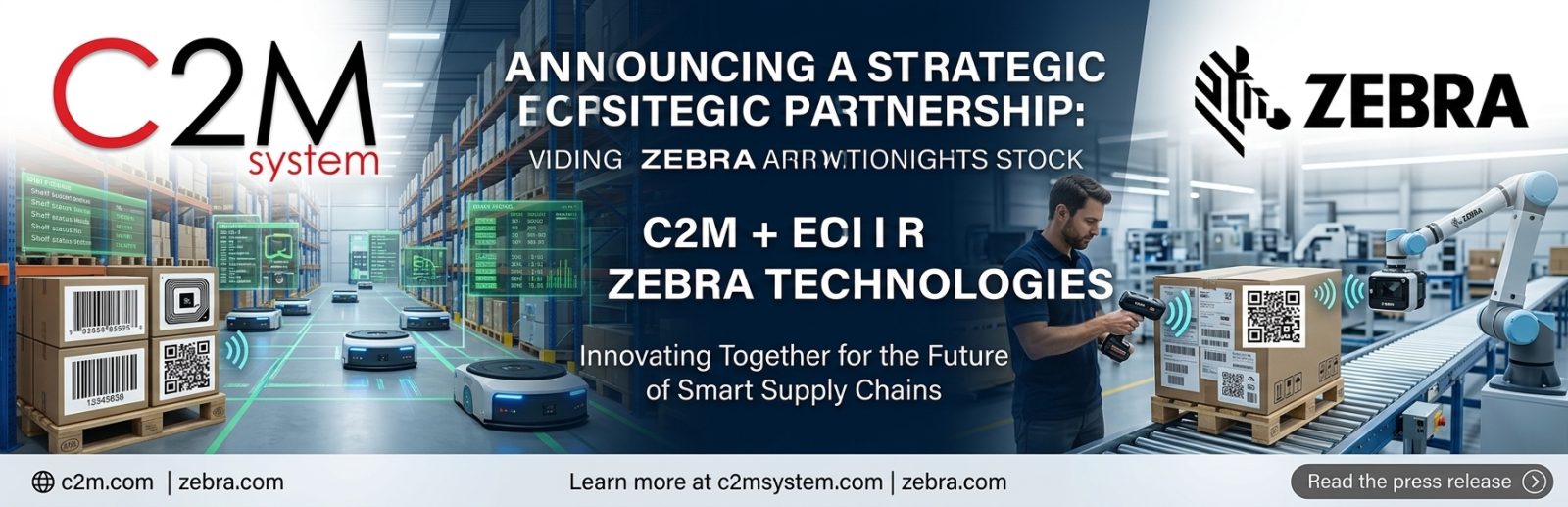
1. C2M
C2M is an ERP solution perfectly suited for inventory management. It offers:
- Real-time inventory management : Inventory tracking with instant updates.
- Process automation : Reduction of errors through the automation of routine tasks.
- Product traceability : Precise tracking from receipt to sale.
2. SAP Business One
SAP Business One is an integrated solution for SMEs in Morocco. Its advantages include:
- Inventory Visibility : Complete, real-time view of stock status.
- Warehouse management : Coordination of operations of several warehouses.
- Analytical function : Demand forecasting and inventory performance analysis.
3. Odoo
Odoo offers an open-source solution adaptable to the specific needs of Moroccan companies:
- Modularity : Add-on modules for purchasing, sales and warehousing management.
- Easy integration : Connection with other existing company systems.
- Intuitive user interface : Ease of use for rapid adoption.
4. Gestimum
Designed for SMEs, Gestimum is renowned for its flexibility and advanced features:
- Personalization : Adaptation of modules to business specificities.
- Article management : Detailed product sheets and variant management.
- Alerts and notifications : Proactive management of stock levels.
5. Perfect Inventory
Perfect Inventory is a Moroccan solution that offers:
- Ease of use : User-friendly interface and quick training.
- Reporting tools : Detailed analyzes for informed inventory management.
- Local support : Technical assistance and maintenance by a team located in Morocco.
The inventory solutions mentioned facilitate inventory management within Moroccan companies. They enable effective monitoring, better planning and optimization of resources, essential for the continued growth of companies in the country.
How to Choose the Right Inventory Software
In the Moroccan context, choosing a inventory software adapted is crucial to optimize inventory management. Here are the key points to consider when selecting the right tool:
1. Identify specific needs
- Business type : Factory, retail store, warehouse?
- Stock volume : Small, medium or large volume?
- Complexity of operations : Need specific integrations, multi-warehouse management?
2. Essential Features
- Real-time inventory tracking : Instant visibility on stock levels.
- Barcodes/RFID : Support for identification technologies to facilitate tracking.
- Alerts and notifications : Alerts of low stock thresholds, expiration dates.
- Reports and analytics : Advanced tools for generating reports and analyzing performance.
3. Compatibility and integrations
It is important that the software is compatible with other systems used by the company, such as accounting software, order management or e-commerce platforms. Possible integrations include:
- ERP (Enterprise Resource Planning)
- CRM (Customer Relationship Management)
- Payment and billing systems
4. Ease of use
Intuitive, easy-to-use software allows for rapid adoption by employees. Things to check include:
- User interface : Clear and ergonomic.
- Training options and support : Tutorials, online assistance, responsive customer support.
5. Cost and budget
Every business has a different budget for software. It is essential to:
- Compare prices : Take into account initial and recurring costs.
- Evaluate pricing models : Licenses per user, monthly subscription, one-time payment.
- Consider return on investment (ROI) : Savings generated through optimized inventory management.
6. Opinions and recommendations
Looking for reviews from other users can be helpful. To consult :
- Online reviews : Platforms specialized in software.
- Customer references : Testimonials and case studies.
- Professional network : Recommendations from colleagues in the same sector.
7. Security and Compliance
Make sure the chosen software:
- Meets safety standards : Protection of sensitive data.
- Complies with local and international regulations : Accounting standards, security regulations.
By taking into account these various criteria, Moroccan companies can make an informed choice for their inventory management, thus achieving maximum efficiency and better profitability.
Case studies: Moroccan business success
Moroccan companies have adopted inventory software solutions to optimize their stock management. Here are some examples of successes:
1. Company A
Company A, specialized in the distribution of electronic products, has integrated inventory management software to:
- Reduce replenishment times.
- Minimize stock shortages.
- Improve customer satisfaction.
Using this tool, they were able to automate their ordering process, resulting in a 20% reduction in inventory costs.
2. Company B
Company B, operating in the agri-food sector, implemented an inventory management solution for:
- Track stock levels in real time.
- Optimize storage space.
- Manage expiration dates.
This adoption allowed for better product rotation and a 15% reduction in losses due to expiration.
3. Company C
Company C, a large clothing retailer, wanted efficient management of its multiple warehouses. They chose a inventory software for:
- Centralize stock information.
- Coordinate deliveries between warehouses and stores.
- Analyze sales trends.
With this system, they were able to increase product availability by 10% and improve their sales forecasting accuracy.
Testimony
"The use of a inventory management software has transformed our approach to inventory management. We have gained in efficiency and responsiveness, which allows us to better serve our customers." - Logistics Director at Company A
Conclusion
These examples clearly show how the adoption of inventory software in Morocco helps businesses overcome challenges related to inventory management, while consolidating their competitiveness in the market.
Tips for successful implementation
The successful implementation of a inventory software within a business requires careful planning and rigorous execution. Here are some tips to ensure a smooth transition and maximize the benefits of the new system:
1. Needs assessment
- Analysis of existing processes : Carry out a comprehensive audit of current inventory management methods.
- Identifying essential features : Determine which features are crucial to the company's specific operations.
2. Choice of software
- In-depth research : Compare different software solutions available on the Moroccan market.
- Reading reviews and testimonials : Take into account the experiences of other companies in the same sector.
- Demonstrations and tests : Request demonstrations and take advantage of free trial periods to test the software.
3. Data preparation
- Cleaning existing data : Ensure current inventory data is accurate and up to date.
- Format standardization : Harmonize data formats to facilitate their integration into the new system.
4. Staff training
- Initial training : Provide in-depth training to employees directly involved in inventory management.
- Ongoing support : Provide continuing education sessions and online help resources.
5. Integration with other systems
- Compatibility : Ensure that the chosen inventory software integrates well with other existing information systems (ERP, accounting, etc.).
- Workflow Automation : Implement automated processes to reduce errors and increase efficiency.
6. Monitoring and adjustment
- Regular checks : Perform periodic checks to identify and correct potential problems.
- Collecting feedback : Collect user feedback to make continuous improvements.
7. Data security
- Secure updates : Ensure that the software offers regular updates to protect data against security threats.
- Regular backups : Implement automatic backup protocols to avoid any loss of data.
Implementing inventory software requires a systematic and well-orchestrated approach. These tips can help maximize efficiency and ensure a smooth transition to an optimized inventory management system.
Integration with other management systems
Les inventory software modern systems in Morocco are not limited only to stock management. They offer extensive integration features with other management systems, facilitating data synchronization and smooth operations. Here are some important aspects of this integration:
Business management systems (ERP)
ERPs provide an overview of a company's operations. Inventory software can integrate with ERPs to provide comprehensive and consistent process management. Here are some advantages:
- Workflow Automation : Reduces human errors and speeds up processes.
- Better order tracking : Synchronizes sales and inventory data.
- Data Analysis : Offers consolidated reports for informed decision-making.
Sales Management Systems (POS)
Integration with point-of-sale systems is crucial for retail businesses. This allows:
- Real-time update : Stocks are updated immediately after each sale.
- Promotion management : Synchronization of special offers and discounts directly into the inventory system.
- Returns processing : Facilitates returns and refunds by adjusting inventory automatically.
Accounting systems
The connection of inventory software accounting systems can improve financial accuracy and cost management:
- Automatic reconciliation : Stock movements are automatically recorded in the financial statements.
- Cost management : Monitoring of actual and forecast costs, thus improving budget planning.
- Simplified audits : Facilitates audits by providing accurate and detailed records.
Logistics solutions and suppliers
For more efficient supply chain management, integration with logistics systems is essential:
- Shipment tracking : Real-time information on the status and location of orders.
- Purchase order management : Automation of replenishments based on stock levels.
- Supplier coordination : Synchronization of data with suppliers to optimize delivery times and quantities ordered.
Customer Relationship Management (CRM) Systems
Les inventory software can also benefit from integration with CRM systems to better understand customer behavior:
- Purchase history : Complete view of orders to anticipate future needs.
- Personalization of offers : Adapt marketing strategies based on inventory data and customer preferences.
- Improved customer support : Quick access to inventory information to answer customer questions.
Integration with other management systems is therefore essential to maximize the efficiency and profitability of companies, making processes more transparent and facilitating communication between different departments.
Costs and return on investment
When implementing inventory software in Morocco, one of the major concerns for businesses is upfront costs and return on investment (ROI). Several factors influence these aspects, including the type of software chosen, the size of the company and the complexity of inventory operations.
Initial and recurring costs
- License costs :
- On-premises software: Requires a high upfront payment.
- SaaS (Software as a Service) software: monthly or annual costs.
- Installation and setup fees :
- Depends on the complexity of existing systems.
- May include consultation fee.
- Training and technical support :
- Additional costs to train staff.
- Technical support may be included or billed separately.
Factors influencing return on investment
- Reduction of operational costs :
- Reduction in inventory errors.
- Optimization of storage space.
- Improved inventory management :
- Better tracking of stock levels.
- Prevention of stock shortages and overstocks.
- Increased efficiency and productivity :
- Acceleration of inventory processes.
- Reduced time spent on administrative tasks.
- Visibility and traceability :
- Real-time tracking of items.
- Better demand forecasting.
Calculation of return on investment
To calculate the ROI of inventory software, it is essential to compare the savings and gains generated by the software with the total costs.
ROI = (Bénéfices nets - Coûts totaux) / Coûts totaux
Net benefits should include all operational cost reductions as well as productivity gains. In general, good inventory software can generate a positive ROI within a few months to a few years, depending on the size and industry of the business.
FAQ
Inventory software is an IT tool that helps track and manage a company's inventory efficiently.
Effective inventory management is crucial in Morocco to avoid stock outs, optimize costs and improve customer satisfaction.
Common challenges include forecasting demand, managing inventory levels, and preventing loss due to spoilage or theft.
Inventory software offers benefits such as inventory accuracy, reduced operating costs, and better decision-making through data analysis.
Key features include real-time inventory tracking, replenishment alerts, reporting and analytics, and integration with other systems.
Popular solutions in Morocco include C2M, Odoo and Sage X3.
To choose the right software, you must consider the specific needs of the business, the features offered, customer support, and the available budget.
Moroccan companies such as Marjane and Label'Vie have optimized their operations by using efficient inventory software.
For successful implementation, it is advisable to train staff, ensure good integration with existing systems, and properly configure the software according to business needs.
Integration can be achieved through specific APIs or connectors that allow inventory software to communicate with management systems like ERP, CRM, and POS.
Costs vary depending on features and business size, but the return on investment is often quick through reduced operating costs and improved inventory management.