Importance of Corporate Office Organization
Proper organization of corporate offices is an essential component of a company's success. It not only contributes to improving productivity, but also to employee satisfaction and well-being.
Increased productivity
- Reduction of distractions : A well-organized workspace helps reduce distractions. Without a pile of documents or unnecessary objects, concentration improves.
- Quick access to information : With documents arranged methodically, access to necessary information occurs quickly, reducing search time and task interruptions.
- Improved efficiency : With tools and resources in order, employees perform their tasks more smoothly and without obstruction.
Employee satisfaction
- Pleasant environment : A well-kept office creates a pleasant working environment that encourages creativity and motivation. This induces an environment conducive to psychological well-being.
- Stress reduction : A disorganized space can cause unnecessary stress. A tidy desk facilitates an atmosphere of calm and control.
- Sense of belonging : A well-organized workspace strengthens employees' sense of belonging and pride in their workplace.
Reinforced professional image
- Positive impression on visitors : A well-organized office gives an impression of professionalism and seriousness to prospects and business partners visiting the premises.
- Company reputation : Attention to the organization is often seen as a reflection of the company's attention to its broader affairs, which can strengthen the company's reputation.
In short, office organization is a fundamental aspect that influences several facets of a company's life. It plays a vital role in operational success and in the way the company is perceived.
Fundamentals of Workspace Management
Effective management of workspaces in a company is based on several key principles that aim to optimize productivity, reduce employee stress and encourage a harmonious working atmosphere. These principles include organization, ergonomics, and accessibility.
- Organization :
- Well-organized workspaces minimize clutter, which improves focus and productivity. A clear desk allows employees to better focus on their tasks without being distracted by a messy environment.
- The use of filing systems, appropriate shelving and modular drawers can make it easier to manage documents and office supplies, allowing quick and efficient access.
- Ergonomics :
- Ergonomics is essential for preventing work-related injuries, such as carpal tunnel syndrome and back pain. Each workstation must be designed to adapt to the user, providing the necessary comfort and safety.
- Adjustable chairs, eye-level screens and appropriate keyboard supports should be incorporated to ensure correct posture and reduce stress on the body.
- Accessibility :
- It's crucial that all employees have easy access to the resources they need, whether it's office supplies or essential digital tools. Limited or restricted access can impair efficiency and slow down work processes.
- The development of digital solutions, such as collaboration platforms and shared databases, should be encouraged to promote fluid communication and better project management.
Implementing these principles promotes an efficient work environment conducive to employee well-being, thereby contributing to the overall success of the company.
Optimizing office space for increased productivity
Effective organization of workspaces plays a crucial role in improving employee productivity. Well-designed environments often lead to better concentration, reducing unnecessary distractions. Follow the strategies below to fully optimize office space:
- Ergonomic layout : Ensuring ergonomic compliance in offices helps prevent injuries and improves comfort. Adjust the height of chairs and screens to perfectly align employee posture. Adjustable desks also allow increased flexibility for different tasks whether standing or sitting.
- Strategic use of space : Maximizing available space by integrating vertical storage solutions, such as shelves and wall cabinets, provides employees with ways to keep their space clear. Open office plans encourage collaboration, but interspersed with cubicles or partitions for tasks requiring concentration.
- Smart technology : The integration of new technologies is essential in a modern space. Installing online meeting room booking systems optimizes the use of resources. Additionally, using wireless devices reduces the mess caused by cables.
- Adequate lighting : Natural lighting increases employee well-being and concentration. If access to natural light is limited, opt for artificial lighting that mimics its effect. Individual adjustable lamps customize lighting to each employee's personal preferences.
- Dedicated spaces : Create specific areas for various activities – for example, relaxation areas for breaks or brainstorming rooms for creativity sessions. This supports employees' mental transition between different tasks.
By implementing these measures, businesses can not only improve workplace efficiency but also promote the overall well-being of employees, resulting in optimized overall performance.
Technologies and tools for office management
Effective management of modern offices requires the integration of advanced technologies and precise tools. These make it easier to plan, organize and optimize the workspace, creating a functional and pleasant environment for employees. Here are some solutions that have a significant impact:
- Space management software : These tools allow you to map the layout of offices, optimize the use of space and plan future layouts. Programs like AutoCAD and Archibus are examples of specialized software that help manage workspaces.
- Reservations applications : Using apps like Robin or Envoy, businesses can easily manage meeting room reservations and shared spaces. These tools help reduce user conflicts and increase the efficiency of meetings.
- IoT (Internet of Things) technologies : Smart sensors placed in an office collect real-time data on space usage, air quality or lighting habits. This helps optimize the office environment and provide superior comfort to employees.
- Document management systems : Scanning documents is essential for maintaining order in an office. Systems like SharePoint or DocuWare make document management easier, reducing the need for physical storage and facilitating quick access to information.
- Collaboration software : Platforms such as Slack, Microsoft Teams or Trello improve internal communication and teamwork. They add an essential collaborative dimension, especially in hybrid work environments.
- Advanced security solutions : To ensure employee and information security, advanced security systems, such as card access control or video surveillance, are often integrated. These technologies ensure a secure office environment.
These tools, when used appropriately, not only improve management and productivity, but also create a work environment that values employee efficiency and well-being. Implementing these technologies can transform a standard office into a smart, responsive space tailored to the needs of a modern business.
Strategies for effective cleaning and maintenance
A well-maintained workspace not only promotes productivity but also contributes to employee well-being. Here are several essential strategies for ensuring effective cleaning and maintenance of corporate offices.
- Planning and managing cleaning schedules:
- It is important to establish a regular cleaning schedule. This includes daily, weekly and monthly tasks.
- Coordinate cleaning schedules outside of working hours to minimize disruption.
- Use of appropriate cleaning products:
- Ensure that the cleaning products used are suitable for the types of surfaces present in the office.
- Favor ecological solutions to reduce environmental impact and avoid exposing employees to harmful chemicals.
- Training of cleaning staff:
- Provide ongoing training to cleaning staff to ensure efficiency and safety.
- Train on the proper use of equipment and waste management.
- Implementation of decluttering policies:
- Encourage employees to declutter their desks on a daily basis to make cleaning easier.
- Set up well-identified recycling and waste bins in strategic locations.
- Regular maintenance of equipment:
- Schedule regular inspections of equipment to ensure they are functioning properly.
- Plan maintenance plans to prevent breakdowns and extend the life of devices.
“A clean, well-organized office reflects an efficient business.” Make sure these strategies are integrated into the company culture to ensure a healthy and productive work environment.
By summarizing these strategies, the company can maintain a pleasant work environment, while maximizing employee satisfaction and overall efficiency.
Create an ergonomic working environment
An ergonomic work environment not only improves employee well-being, but also increases their productivity. This is an essential aspect of effective corporate office management. Several key elements must be taken into account to ensure an optimal workspace.
ergonomic furniture
- Ergonomic chairs : They support the spine while avoiding musculoskeletal tension.
- Adjustable desks : They allow you to work both sitting and standing, which reduces sedentary lifestyle.
- Accessories : Using foot rests and monitor stands helps maintain correct posture.
Positioning and layout
- Lighting : Good natural or artificial lighting reduces visual fatigue. It is best for screens to be placed perpendicular to windows to avoid glare.
- Screens : Monitors should be at eye level to avoid neck pain.
- Access to supplies : Frequently used items should be within reach to minimize unnecessary movement.
Technological considerations
- Keyboards and mice : They must be placed at the user's height to avoid tension on the joints. Ergonomic keyboards can also help maintain a natural wrist position.
- Software and applications : Investing in ergonomic digital tools helps reduce stress, for example through voice recognition or automation.
Pause and movement
It’s crucial to encourage regular breaks, allowing employees to get up and stretch. Providing spaces dedicated to relaxation or physical activity also helps to reduce stress and energize the working atmosphere.
Ergonomic office design plays a fundamental role in employee satisfaction and efficiency, which benefits both the organization and its employees.
Waste management and ecological practices in business
In a modern business environment, waste management and the adoption of eco-friendly practices have become essential to achieving sustainability goals. Companies are increasingly called upon to reduce their impact on the environment while maintaining operational efficiency.
Best practices for waste management
- Waste audit : It is crucial to start with a comprehensive waste audit to identify the main types of waste produced. This helps determine recycling and reduction priorities.
- Reduction at source : Encouraging reduction at source is one of the most effective strategies. This may include initiatives like purchasing supplies in bulk to reduce packaging or using reusable materials.
- Rigorous recycling : Implementing clearly marked recycling bins for materials like paper, plastic, and metal can significantly improve recycling rates.
- Composting programs : For organic waste, composting programs can transform this waste into valuable resources for the company's green spaces.
Recommended ecological practices
- Awareness and training : Training employees on sustainable practices is essential. Regular workshops and awareness campaigns can encourage people to adopt new habits.
- Renewable energy : Adopting renewable energy sources like solar or wind can reduce the company's carbon footprint.
- Use of energy-efficient equipment : Investing in energy-efficient electronic devices can reduce energy costs and environmental impact.
- Digital optimization : Reducing the use of paper by digitizing documents promotes responsible consumption.
Adopting effective environmental practices not only improves a company's environmental footprint, but also fosters a culture of social responsibility that can improve reputation and employee engagement.
Implementing a Comprehensive Office Management Plan
Developing and implementing a comprehensive office management plan is essential to maintaining efficiency and organization in any corporate office environment. Here are the key elements to consider when implementing such a plan:
- Needs assessment :
- Perform an in-depth analysis of business needs.
- Identify areas where order and efficiency are compromised.
- Include interviews with staff to identify current challenges.
- Definition of objectives :
- Establish clear goals for tidying and efficiency.
- Prioritize critical aspects like reducing clutter.
- Set measurable criteria to evaluate progress.
- Space design :
- Reorganize office layouts to improve workflow.
- Include innovative storage solutions like modular shelves.
- Favor the use of ergonomic furniture for staff comfort.
- Technology implementation :
- Integrate digital tools for document management.
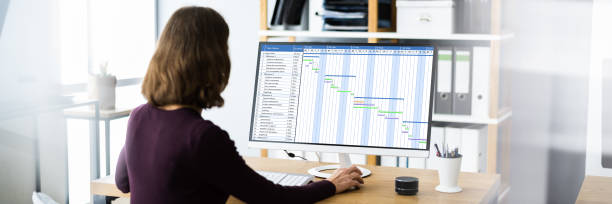
- Use project management software to improve collaboration.
- Implement automated systems for repetitive tasks.
- Training and awareness :
- Organize training sessions on organizational best practices.
- Promote a culture of order among employees.
- Implore the adoption of productivity routines through incentives.
- Continuous evaluation and adjustment :
- Establish a monitoring system to evaluate the effectiveness of the plan.
- Regularly collect feedback from staff.
- Adjust the plan according to changing needs and feedback.
“Order is the pleasure of reason and disorder the delight of the imagination.” —Paul Claudel
Every business should customize its office management plan based on its unique needs and strategic goals. Continuous staff engagement, coupled with proactive management, will ensure a harmonious and productive workspace.
In the field of corporate office management, methods and tools are constantly evolving to adapt to the changing needs of modern businesses. Optimizing the order and management of workspaces is essential to improve productivity and promote an organized professional environment. Find out how these solutions can transform your offices into efficient and functional workspaces. Visit our site to find out more!